Anxiety Support For Daily Life
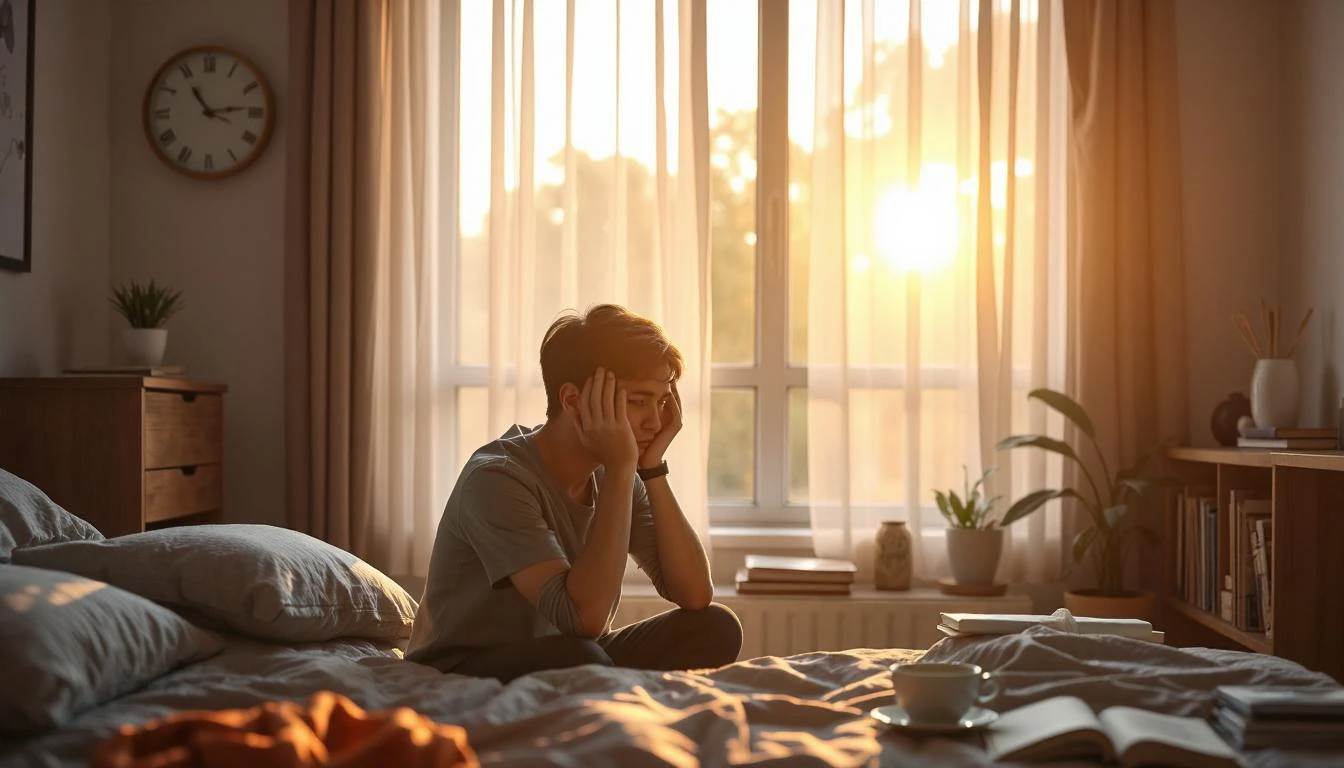
Modern life moves fast, and sometimes the mind struggles to keep up. Notifications never stop, responsibilities continue piling up, and even moments of rest can feel strangely exhausting. Anxiety is no longer something experienced only during major life crises. It can quietly appear in school routines, work schedules, social situations, or even during ordinary evenings at home when the body feels tired but the mind refuses to slow down.
Today, more people are actively searching for anxiety support daily life strategies because emotional balance has become just as important as physical health. From teenagers dealing with academic pressure to adults navigating work stress and uncertainty, anxiety affects daily routines in ways that are often underestimated. As psychiatrist Dr. Daniel Amen explains, “You are not stuck with the brain you have, you can make it better,” reminding readers that emotional wellness can improve through consistent habits, healthier thinking patterns, and supportive routines.
Understanding Anxiety in Everyday Life
Anxiety does not always look dramatic from the outside. Sometimes it hides behind overthinking, irritability, lack of focus, or constant fatigue that feels difficult to explain. Understanding how anxiety develops in everyday situations can help people recognize its patterns earlier before emotional stress becomes overwhelming.
Many people who begin coping with anxiety daily often realize that their stress triggers are deeply connected to modern habits. Endless scrolling, pressure to stay productive, irregular sleeping patterns, and emotional overload can slowly intensify anxious feelings without being fully noticed at first. The more these habits repeat, the harder it becomes for the brain and body to fully relax.
Common causes of anxiety
Anxiety can develop from multiple factors working together over time. Financial pressure, academic expectations, family conflict, social comparison, unhealthy routines, and unresolved emotional experiences are some of the most common triggers affecting people globally today.
Health experts also explain that chronic stress keeps the nervous system in a heightened state of alertness. This means the body may continue reacting as if danger is present even when everyday situations are relatively safe. Mental health discussions now frequently include terms such as stress management, mental wellness support, emotional resilience, and mindfulness techniques because emotional care has become increasingly essential in daily life.
Emotional and physical signs of anxiety
One reason anxiety is difficult to recognize is because it affects both emotional and physical health at the same time. Some people experience racing thoughts and constant worry, while others mainly notice headaches, muscle tension, stomach discomfort, or trouble sleeping.
Emotional symptoms often include fear of failure, irritability, panic, restlessness, and excessive overthinking. Physically, anxiety may cause fatigue, rapid heartbeat, sweating, dizziness, or difficulty concentrating during normal activities. These symptoms can quietly interfere with confidence, productivity, and emotional stability if ignored for too long. Psychologist Dr. Brené Brown once stated that “Vulnerability is not weakness; it’s our greatest measure of courage.” Her perspective resonates strongly with anxiety conversations today because many people spend years hiding emotional struggles instead of acknowledging them and seeking healthier support systems.
Impact of anxiety on daily activities
Anxiety can slowly reshape daily habits without people fully realizing it. Tasks that once felt simple may suddenly become mentally draining. School assignments feel heavier, conversations become exhausting, and even resting may feel uncomfortable because the mind keeps running continuously.
Over time, anxiety can affect sleep quality, concentration, relationships, and physical energy levels. Many people searching for answers online are now looking for topics like how to manage anxiety naturally at home, daily habits to reduce anxiety symptoms, and ways to stop overthinking before sleep because practical emotional support has become a growing health priority worldwide.
Practical Support Strategies for Managing Anxiety
Understanding anxiety is important, but daily management strategies are what truly create long-term improvement. Small consistent habits often make a bigger difference than temporary motivation because emotional stability grows gradually through repetition and self-awareness.
Anxiety support becomes more effective when people stop searching for instant perfection and instead focus on manageable changes that feel realistic in everyday life. The goal is not to eliminate every anxious thought completely, but to reduce how strongly anxiety controls daily routines and emotional reactions.
Breathing and relaxation techniques
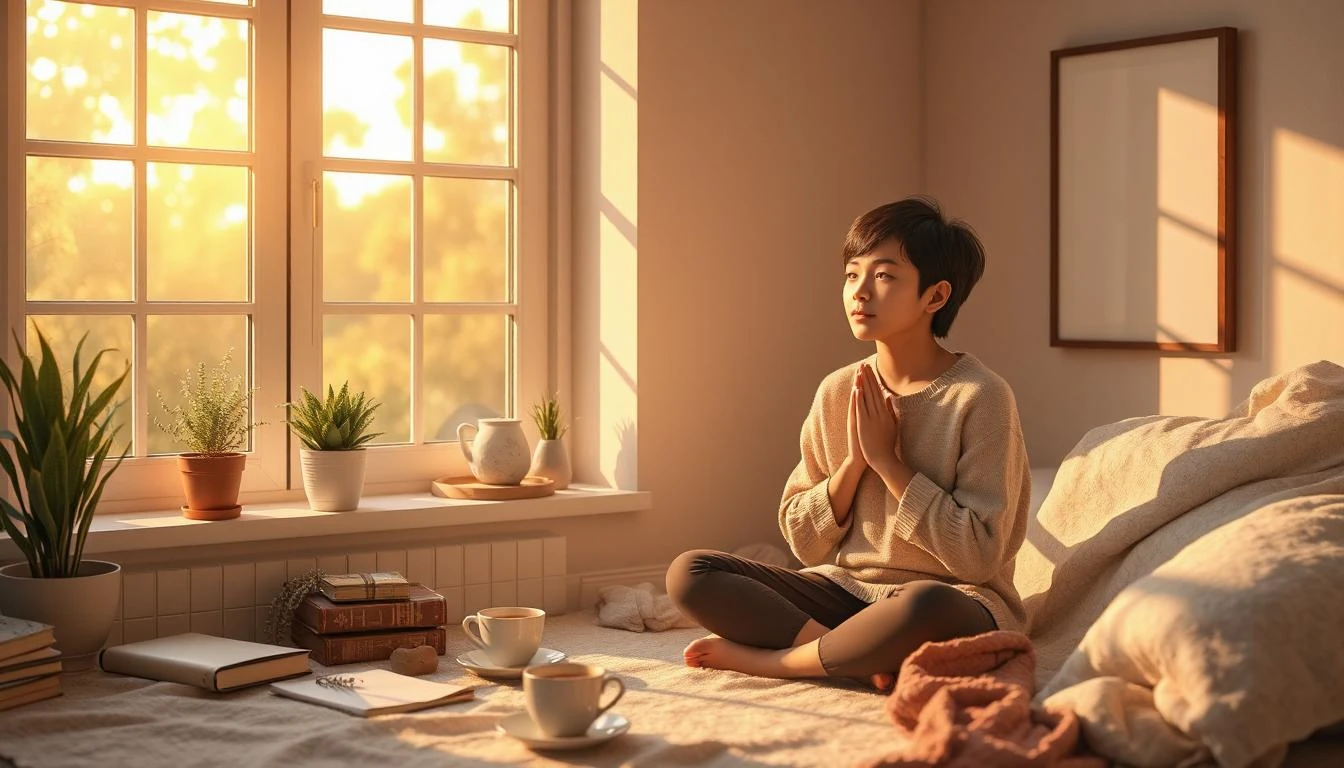
Simple breathing exercises can calm the nervous system surprisingly quickly. When anxiety increases, breathing often becomes shorter and faster, which signals the body to remain tense. Controlled breathing helps interrupt this cycle and encourages the body to feel safer and more stable.
Techniques such as deep breathing, grounding exercises, meditation, and progressive muscle relaxation are now widely recommended by therapists and mental wellness professionals. Even spending a few quiet minutes focusing on slow breathing can help reduce emotional intensity and improve mental clarity during stressful moments. Relaxation methods also support healthier nervous system regulation, which is why many modern mental health discussions emphasize natural anxiety management, mindfulness practices, and healthy coping mechanisms as part of daily emotional care.
Building healthy daily routines
Daily routines influence emotional health more than many people realize. Irregular sleep schedules, excessive caffeine intake, poor eating habits, and lack of physical movement can increase stress responses inside the body over time.
Healthy routines do not need to be complicated. Drinking enough water, taking breaks from screens, walking outdoors, eating balanced meals, and maintaining consistent sleep patterns can significantly improve emotional stability. These habits help the brain and body recover from stress more effectively while creating a stronger sense of structure and predictability. Many recent health discussions also highlight how overstimulation from constant digital exposure contributes to emotional exhaustion. Giving the mind occasional quiet moments during the day can reduce mental overload more than people expect.
Managing overwhelming thoughts effectively
Overthinking often fuels anxiety because the mind continuously predicts worst-case scenarios. The longer these thoughts repeat, the more emotionally convincing they begin to feel. One helpful approach is learning to separate facts from assumptions. Writing thoughts in a journal, limiting negative media consumption, practicing mindfulness, and focusing on small achievable actions can help reduce mental spirals gradually.
Interestingly, neuroscience discussions now suggest that completing small tasks creates positive signals inside the brain that help interrupt cycles of helplessness and emotional paralysis. Sometimes even simple actions like organizing a desk, taking a shower, or stepping outside briefly can create noticeable emotional relief.
Creating a Supportive Lifestyle
Long-term anxiety support is not only about calming difficult moments. It is also about creating a lifestyle that protects emotional health consistently. The environment people build around themselves often shapes how well they handle stress, pressure, and uncertainty over time.
Supportive lifestyles are usually formed through small daily decisions rather than dramatic changes. Emotional balance grows more naturally when healthy communication, proper rest, and realistic expectations become part of normal routines.
Importance of communication and support systems
Humans naturally process emotions through connection. Talking honestly with trusted people can reduce emotional isolation and help anxious thoughts feel less overwhelming. Friends, family members, teachers, counselors, or therapists can all become valuable support systems during stressful periods.
Many people discover that anxiety becomes heavier when everything is handled silently. Open conversations often create reassurance, perspective, and emotional comfort that the mind struggles to generate alone. Healthy support systems also encourage emotional resilience because people feel understood instead of constantly pressured to appear fine all the time.
Healthy sleep and nutrition habits
Sleep and nutrition directly affect emotional stability. Poor sleep increases irritability, weakens concentration, and makes stress feel harder to manage. At the same time, unhealthy eating habits may intensify fatigue and emotional imbalance.
Improving sleep quality often begins with reducing screen exposure before bed, creating calmer nighttime routines, and maintaining consistent sleeping hours. Balanced nutrition also supports brain function and nervous system recovery, especially foods rich in protein, healthy fats, magnesium, and vitamins. These small adjustments may seem ordinary at first, but over time they can create powerful improvements in emotional energy and mental clarity.
Balancing work, study, and rest time
Modern culture often celebrates constant productivity, yet emotional exhaustion continues rising globally. Many people feel guilty while resting, even when their minds and bodies clearly need recovery.
Healthy balance means understanding that rest is not laziness. Breaks, hobbies, movement, quiet time, and moments away from pressure are necessary for emotional recovery. Without balance, anxiety can quietly build until even small responsibilities feel overwhelming. Creating realistic boundaries between work, study, and personal time helps protect mental energy while improving focus and long-term productivity at the same time.
Find Healthy Support For Managing Anxiety Every Day
Anxiety may not disappear instantly, but daily support strategies can gradually make life feel lighter, calmer, and more manageable. Emotional wellness is often built through small consistent actions that strengthen mental resilience over time rather than dramatic overnight changes.
The most important thing is remembering that struggling with anxiety does not mean weakness. It means the mind and body are asking for care, balance, and healthier support systems. The more people understand their emotional patterns, the easier it becomes to respond with awareness instead of fear.